Reflecting on the loss of a loved one, C. S. Lewis wrote in a 1960 letter to Peter Bide: “One doesn’t realize in early life that the price of freedom is loneliness. To be happy one must be tied.”
In a few short words, Lewis utters one of the central paradoxes of human existence, a contradiction with deep implications for achieving happiness.
Lewis’ observation defies most conventional wisdom today. We often hear that the path to happiness runs through total and complete freedom, the ability to do and be anything we want. Liberal individualistic culture urges us to “look out for number one,” to place our personal desires first, and to throw off all restraining shackles. As a result, we’re taught to prize that freedom which (we imagine) preserves for us the widest possible range of activities, the broadest sphere of action for fulfilling whatever desires might arise in us. We almost equate infringements upon freedom with infringements upon happiness because loss of freedom makes it harder to fulfill our wishes.
This is a false and shallow conception of freedom, better described by the epithet license. The truly free man is the man with the ability, opportunity, and means to achieve his end, to fulfill his purpose. The licentious man, on the other hand, often finds that the “liberty” he enjoys – the capacity to satisfy every selfish urge – actually becomes an obstacle to true freedom. He becomes a slave to self and to desire, which form barriers between him and true human flourishing.
Not only that, but total license is really an illusion. Every choice we make limits our freedom. Over time, decision after decision, like the slow, steady scrapes of the knife, whittles away at our liberty. We cannot be both a lawyer and a doctor. We cannot be married both to this person and to that. If we choose one, we lose the liberty to choose the other. As Robert Frost so wisely put it, “Two roads diverged in a wood, and I— / I took the one less traveled by, / And that has made all the difference.”
As life goes on, our license is progressively restricted.
But our freedom can increase – if we understand it properly.
It is tragic to see people who fight the natural and gradual loss of license, a process that actually can carry us over the turbulences of life to wisdom and fulfillment. These people believe that the steady loss of license means the loss of what is most precious. As years pass, they clutch at dwindling freedom like a drowning man reaching for a piece of driftwood gliding out of reach. Even as they age, they try to preserve the freedom of youth and keep all doors ajar. They insist that, they can be whatever they want, all roads remain open to them. In the voice of Tennyson’s Ulysses, “I cannot rest from travel: I will drink / Life to the lees. . . How dull it is to pause, to make an end, / To rust unburnish’d, not to shine in use! / As tho’ to breathe were life! Life piled on life / Were all too little…”
Of course, such a person will never commit to anything because of his fear of losing freedom. But “the price of freedom is loneliness.” Why? Because, as G. K. Chesterton wrote, “It is the nature of love to bind itself.” Our hearts thirst to love, and love requires a choice, a willing surrender of some portion of freedom. I choose this town, and no other. This vocation and no other. This woman, and no other.
Concretely, this means fulfillment results from committing to marriage, family, community, and place – a loving sacrifice of license for the sake of true freedom.
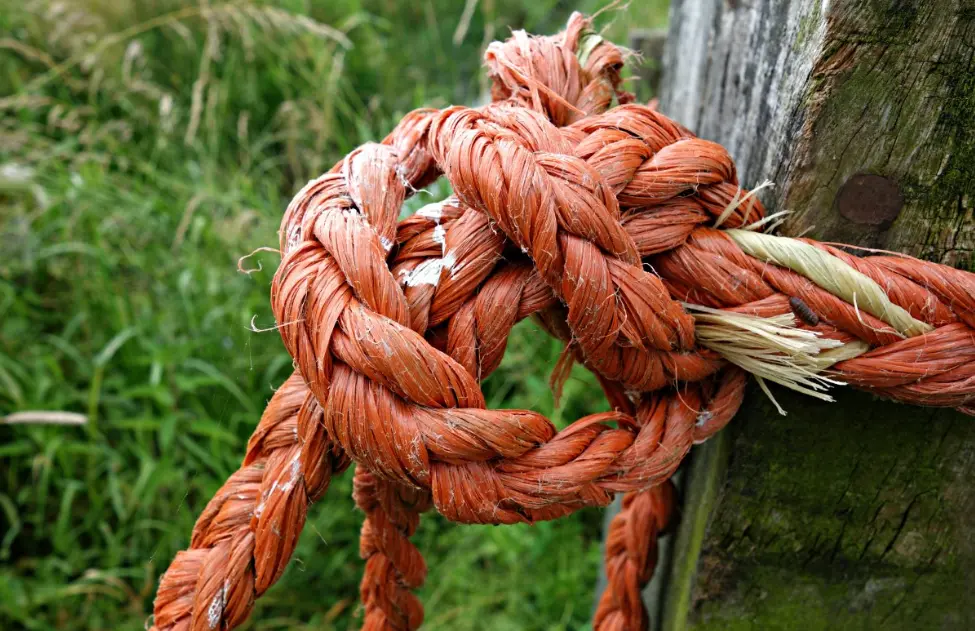
That is the thrilling risk of love: Putting all your chips on the table, cutting off your own retreat. To the outside observer, it might look foolish. But love demands nothing less. And when we make this courageous leap, when we bind ourselves to something, we receive a hundredfold in return. We fulfill our purpose. “To be happy one must be tied,” after all.
He that would save his life, will lose it. And he that will lose his life will find it.
Until modern man can recover this truth, he will be forever restless, a vagrant moving through life like a ghost, insubstantial, rootless, and alone.
—
This article was made possible by The Fred & Rheta Skelton Center for Cultural Renewal.
Image credit: Pxhere




















Leave a Comment
Your email address will not be published. Required fields are marked with *