
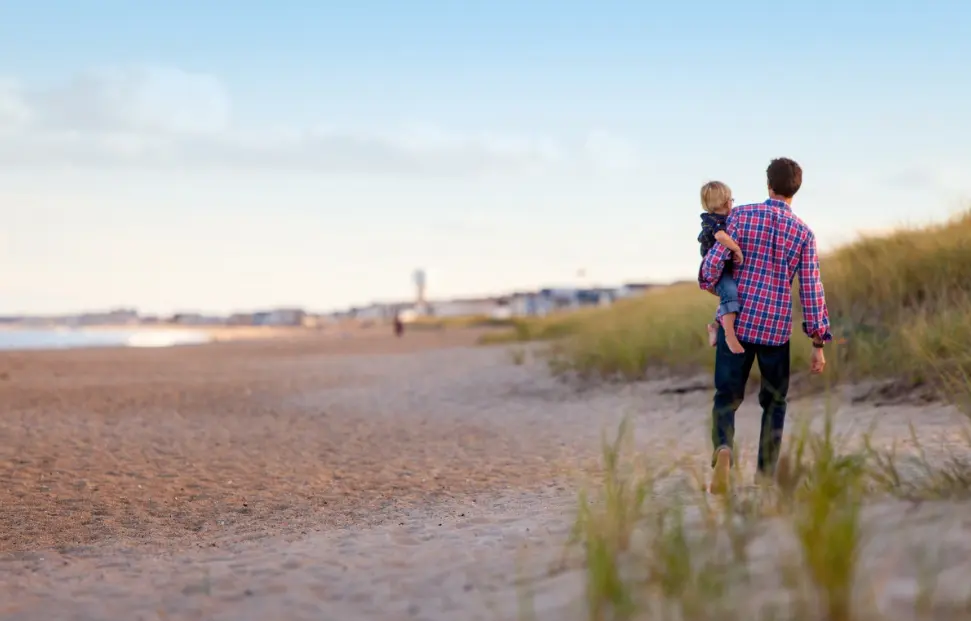
Gen Alpha, born between 2010 and 2024, is growing up right now. As technology expands and the culture war rages, supporting our young people can be tricky. But looking at Gen Z can help guide our approach to Gen Alpha.
Going Phone Free
Smartphones are damaging to children. Though there’s little to any dissent on this fact, restricting screens is unfortunately easier said than done since most parents have phone addictions themselves.
Yet, it’s vital for our children that we hit the off button. Doing so not only reconnects them to reality, but it also improves their social behavior, cultivating discipline at an early age. Whether the other kids at school have a phone or social media shouldn’t matter. After all, if a parent can’t resist schoolground peer pressure, what kid will?
While no child needs a phone, there are reasons where a phone might be more convenient, particularly in the case of teen drivers. In those cases, a flip phone can provide the basic communication functions while still restricting screen time.
Another way to limit screen usage is to get Gen Alpha outside. Every generation prior to Gen Z experienced the outside world while Mom got things done in the house. This action not only keeps children away from screens, it nurtures independence and activity, deepens imaginative play, teaches children to manage their boredom creatively, and exercises their ability to take initiative.
The disconnect that Gen Z has with the real world is mostly due to the virtual reality into which they were born. Gen Alpha is inheriting that, too. Keeping them grounded in reality and away from screens will help reverse the mental health decline so common in Gen Z.
Revive Religion
Studies show that religious participation increases general happiness and civic engagement. We know that it instills a sense of meaning and a stable framework for life, thus leading to better mental health outcomes for individuals. It also provides a significant source of community, reducing social isolation and fostering a sense of belonging.
Gen Z has the lowest religious involvement, however, with roughly twice as many Gen Z adults identifying as religiously unaffiliated as baby boomers. That’s a significant factor in their increased levels of dissatisfaction with life, loneliness, and poor mental health.
Moreover, religion provides a value system around which to structure life, an important aspect as Gen Z is often reported to struggle with life planning, commitment, and perseverance. Furthermore, religion shapes a person to make decisions based on long-term fulfillment rather than short-term gratification. It also helps us prioritize duty and focus on relationships.
Gen Alpha’s mental health is not going to be any better than Gen Z’s if we don’t change something. Encouraging religious participation is a significant way to ensure better mental health and prevent Gen Z’s loneliness crisis from becoming a cycle.
Fly the Nest
Gen Z struggles with independence and ambition, largely due to the mainstream culture of coddling and victimhood. Helicopter parenting impedes children’s confidence and decisiveness, since problems are never handled by the child himself. Consequently, Gen Z relies heavily on authority figures for direction.
Sadly, many adults didn’t grow up because their parents never let them, and now as members of the workforce, they still look to their parents to make decisions, call their bosses, and handle issues for them. To correct this trend, it’s crucial we foster safe risks for Gen Alpha.
Completing unpaid chores is one way we can help children and teenagers positively participate in the community of home life, deepening their sense of responsibility and belonging towards their family.
Giving a child responsibility is a struggle at first, demanding patience, more supervision, and preparation for mistakes. But the payoff is huge, as parents gain valuable, competent helpers, while children learn to be resourceful, reliant, and capable.
Gen Alpha needs the freedom to take chances. There are many ways to safely put a child out of his comfort zone and even allow them to get hurt. Let your son climb up the tree and fall. Sign your daughter up for a workshop or dance class that’s not in her wheelhouse. Risks can show a person boundaries, and that the unknown isn’t as bad as we initially think.
Children are smarter than many give them credit for, and we only hurt them when we make them helpless. Challenging them to do tasks or projects that make them nervous will greatly aid their assertiveness and strength.
The future can look bleak, but children always have and always will be a symbol of hope. When we focus on them, we enact far more good than any political ideology or activism has to offer.
—
This article was made possible by The Fred & Rheta Skelton Center for Cultural Renewal.
Image credit: Pxhere

























Leave a Comment
Your email address will not be published. Required fields are marked with *