Most Read from past 24 hours
Feeding Mind, Pursuing Truth
Philosophy
- Home
- Philosophy

Would You Rather Be Just, or Only Seem So?0
- Featured, Philosophy
- September 28, 2026
Scrolling online one night, you see pictures of someone’s weekend trip or even their lunch meal, all arranged for an audience. Essentially, these images drag someone else’s hidden thing into the light. And the life we choose in the light and in the dark depends on the audience – our good deeds want a witness,
READ MORE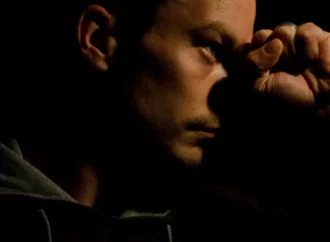
Can God Be Truly Good When There Is Suffering?0
- Culture, Featured, Philosophy, Religion
- September 28, 2026
The “problem of evil,” which asks, “How is God good when there is so much evil in the world?” has long remained one of the most contested questions in philosophy. For many the deeper issue is not that evil exists, but that God, in some way, causes evil. But is this the case? The common
READ MORE
Neurotheology, a Bridge Between Religion and Science0
- Culture, Featured, Philosophy, Religion, Science
- September 11, 2026
An emerging field of psychology is recognizing the profound link among religious experience, the brain, and mental health. It’s called “neurotheology,” a multidisciplinary field that studies the relations between religion and the human brain. “Neurotheology is a two-way street so that it is not just neuroscience studying religion or religion commenting on neuroscience,” said Dr. Andrew Newberg, a neuroscientist and pioneer in the field, in an
READ MORE

Plato’s Cave Was About Us, Not Others0
- Culture, Featured, Philosophy
- September 11, 2026
Often the analogy of Plato’s Cave is told with the teller standing outside, basking in the sun. Meanwhile, everyone else is left inside, still seeing shadows on the wall. We naturally make a divide: the other country, the other party, the other culture, the other church, the other family – they are always the prisoners.
READ MORE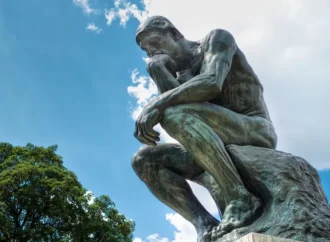
Why It’s So Important That Our Beliefs About Reality Are Accurate0
- Featured, Philosophy
- September 9, 2026
Often the most difficult questions to actually answer are the simplest ones to ask. We can easily answer the question, “What is a hammer?” by simply referring to the materials, the shape, and the purpose of the hammer. It gets slightly more difficult, however, when asking a question like, “What is justice?” or “What is
READ MORE
Why Mysteries Are Good for the Rational Soul0
- Culture, Featured, Literature, Philosophy
- September 2, 2026
Mysteries and crime fiction hold a special kind of appeal. Just look at the immense popularity of true crime podcasts, police procedurals on network TV, or the undying interest in the works of Agatha Christie. Some of the earliest forms of literature we have are mysteries, such as “Oedipus Rex,” and some of the greatest
READ MORE

Most Read from past 7 days
Would You Rather Be Just, or Only Seem So?
- Featured, Philosophy
- September 28, 2026
Most Read from past 30 days
Neurotheology, a Bridge Between Religion and Science
- Culture, Featured, Philosophy, Religion, Science
- September 11, 2026
Most Read of All Time
Why Are So Many Young People Dying Suddenly?
- Politics, Philosophy, Science
- June 28, 2022
Most Read of All Time
What Did Nietzsche Mean by ‘God is Dead’?
- Culture, Philosophy, Religion
- February 5, 2024
Latest Posts
-

Would You Rather Be Just, or Only Seem So?
- Featured, Philosophy
- September 28, 2026
-

Can God Be Truly Good When There Is Suffering?
- Culture, Featured, Philosophy, Religion
- September 28, 2026
-

Neurotheology, a Bridge Between Religion and Science
- Culture, Featured, Philosophy, Religion, Science
- September 11, 2026
-

Plato's Cave Was About Us, Not Others
- Culture, Featured, Philosophy
- September 11, 2026
Top Authors
-

Annie Holmquist
ADMINISTRATOR
-

Jon Miltimore
AUTHOR
-

Jeff Minick
CONTRIBUTOR
-

Daniel Lattier
AUTHOR