
Not a day goes by without seeing at least one person listening to music as they make their daily commute, eat lunch, or unwind. High schoolers wear their AirPods as they do homework in study hall; I love to bring my headphones when I go for a walk.
In any public space, dozens if not hundreds of people listen to different songs at the same time in their own little world, for in the world of earbuds, music taste is private. We enjoy our favorite music in isolation. Alone.
With Apple Music and Spotify at our fingertips, it’s easy to forget that the invention of recorded music is fairly recent. The first successful recording of sound arrived with Thomas Edison’s invention of the phonograph in 1877. It wasn’t until 1896 that the National Phonograph Company sold phonographs for use at home, making them a household technology.
But before then? All music was live music. Music did not exist unless you or people around you were making music in real time. If you wanted to listen to music on your own, you had to start singing or playing an instrument by yourself. If you wanted to be entertained by music, you had to be in the presence of those who could make the music by themselves.
Because of this, music was always an ephemeral experience. Renaissance patrons of the arts could attend a concert, listen to a piece of music that they absolutely adored … and never hear it again. Once a musical performance was complete, it could never be replicated.
Other forms of art were different. If you found a painting you loved, you could return to it repeatedly to appreciate it anew or relive your initial enjoyment of it. But no matter how many hundreds of thousands of times Handel’s “Water Music Suites” is performed, it is never exactly the same. It cannot be, because it relies on the experiences, abilities, and attitudes of the musicians at each particular performance. A handful of these performances have been immortalized in recording, but only a handful. The rest will never and can never be revisited, only existing imperfectly in the memories of those who experienced them.
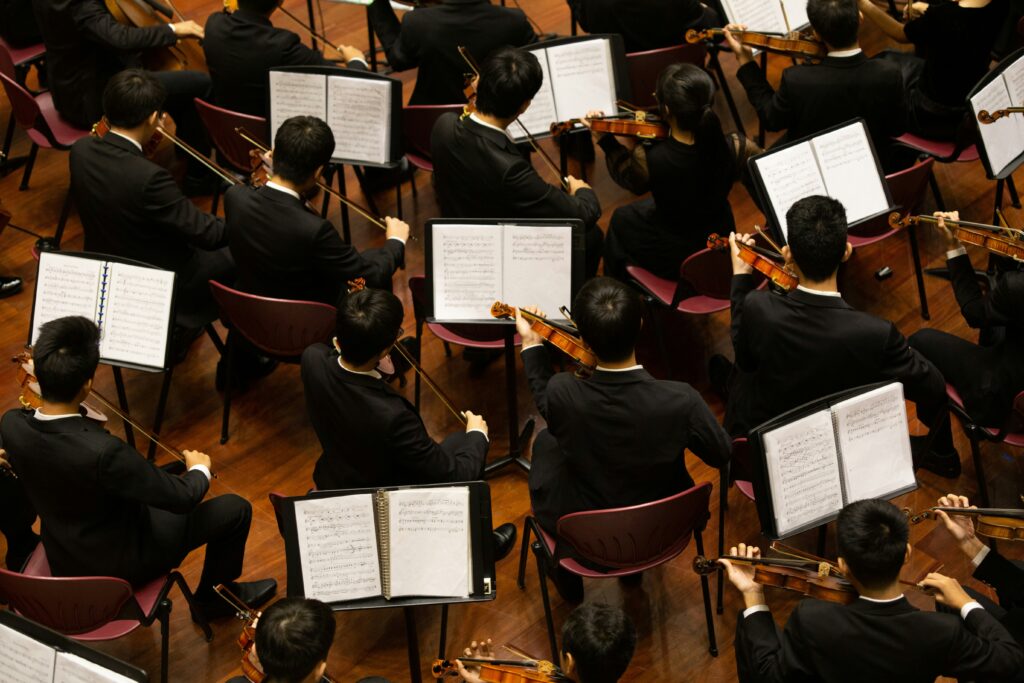
Before sound recordings were invented, music was only experienced live and thus had to be experienced in community with others. With the exception of singing to yourself when no one else could hear, every musical experience had to include at least two people – the musician and the listener.
The communal quality of music has real, scientifically demonstrated effects, which manifest themselves in social bonding between those who create and experience music together. Music promotes social synchrony, releases endorphins, and builds community. Case in point: There is not a single human culture that has not created its own music.
Yet most of us no longer reap the community-building benefits of live music because, in our individualistic culture, we have come to regard music taste as a private affair. Live music is slowly being offset by recorded music, allowing us to enjoy our favorite music without having to share it with anyone.
Of course, listening to live music is not morally superior to enjoying recorded music. I have no plans to forgo my Spotify account, but I’m sure that we can all agree that there are few more bonding experiences than singing with a friend in the car, attending a mainstream concert with tens of thousands of other fans, or listening to the choir in church.
Because it can never be replicated, live music is always new. A painting in a museum will be virtually the same every time even if you return to it regularly for 50 years. But because live music is ephemeral and fleeting, it creates an unrepeatable experience for its audience, who are united in being the only people to ever hear this particular performance.
We are told that division and discord are on the rise in 21st-century America. But perhaps the beginning of healing could be as simple as supporting our local music scenes, attending a musical theatre performance, or singing with our families. Or maybe we should all just opt for a speaker instead of our AirPods.
—
Image credit: Unsplash

























Leave a Comment
Your email address will not be published. Required fields are marked with *