
Dear Gen Z Female Teens,
I’m just two chapters into my advance review copy of Freya India’s forthcoming book, “Girls®: Generation Z and the Commodification of Everything,” and am already so saddened by what I’ve discovered that I decided to write you.
Before sharing what I’ve learned from “Girls®,” you should know that my five older granddaughters are Gen Z. I view my granddaughters, as well as the girls their age I see at church or the coffee shop, as flowers beginning to bloom. If they’re representative of those born between 1997 and 2012, then the future is looking sweet.
After reading the first 95 pages of “Girls®,” however, I’m thinking I may need a new pair of specs.
At age 26, India is one of your generation, a writer whose way with words is astonishing in one so young. If you’ve never heard of her, it’s time to perk up. She’s got some real talk that could change your life for the better.
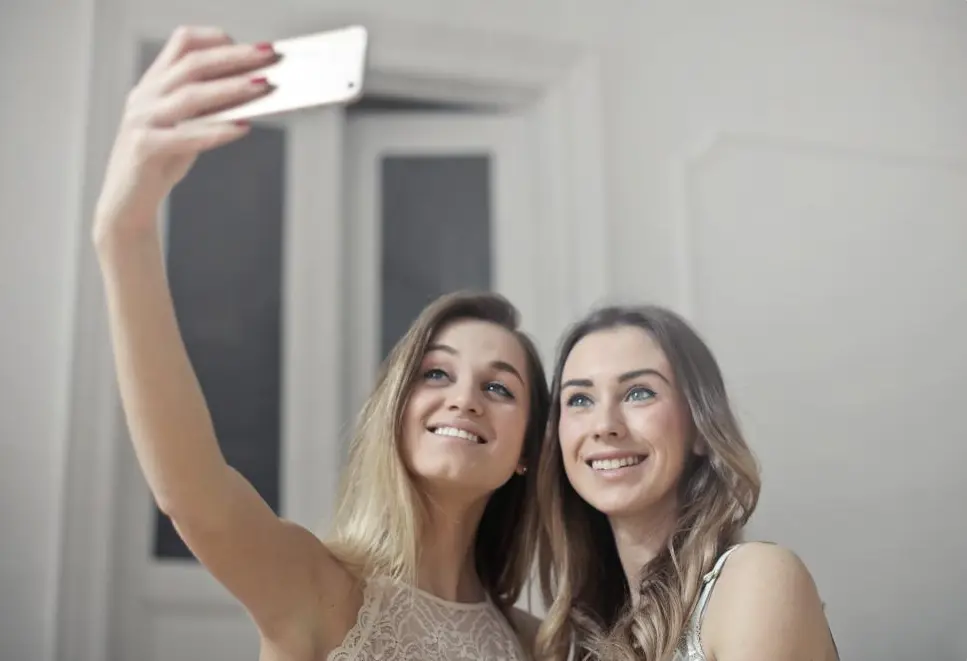
In Chapter 1 of “Girls®,” India writes about filters and apps like Facetune which some of you are using to reimage yourselves. She delves into the algorithms, advertisers, and data collectors whose enticements compel you to spend hours improving your selfies under the tutelage of some tarted up online influencer, all while deploring your own looks. This obsession with your perceived physical flaws, from the cut of your chin to your weight, leads to real-life problems, like eating disorders and body dysmorphic disorder.
Chapter 2, “Diagnosed,” investigates the damage done by the massive doses of mental health advice you receive online, a crisis brought by “the marketization and medicalization of normal negative emotions.” India recognizes that some girls need medical attention regarding their mental health, but that many, many more “have learned to see their feelings and behaviors in ways that conveniently serve the pharmaceutical industry, benefit influencers who depend on clicks, and help advertisers better categorize them and target them.” Ordinary sadness is morphed into depression, the ordinary stresses of life conflated into clinical anxiety.
In short, you’ve become both a consumer and a commodity.
In “Girls®,” India invites older readers, specifically including grandparents on that guest list, to learn from her book as well. “I want to show you how radically different this world is from the one you grew up in, how the concepts of friendship, family, community, and falling love have been ripped apart and redefined, and how, as these foundations have crumbled, girls have fallen apart with them,” she says.
“Remind her what she is worth, because chances are she has rarely been told this,” she later says of you. So, here are some reminders.
Mirror, Mirror on the Wall
When the Evil Queen in “Snow White” asks her magic mirror, “Who is the fairest of them all?” she’s the precursor to anyone staring into a screen and entering a beauty contest against herself.
You don’t need to be that queen. Every girl possesses some kind of beauty, whether external or internal, and I’ll bet 10 to 1 that most of you don’t even know it. Take me, for example. I’m an eye guy. Shoot me a look with a pair of merry eyes – blue, green, brown, hazel, it makes no difference – and no matter your weight, your height, your crooked nose or thin lips, I’m ready, metaphorically speaking, to drop to my knees and declare myself your time-battered knight and protector.
“The more girls use these filters, the more distorted their view of themselves seems to become. They forget what humans look like,” India writes. So, please, please quit tricking yourself out online and comparing yourself to someone else who’s already tricked out as well. Close that screen and look at real people. Look hard enough, and you’ll start finding beauty everywhere.
And if you want to become truly beautiful, then quit thinking so much about yourself and devote your attention to others. Yes, that’s heresy in our age of narcissism, but before you burn me at the stake, look at the mental and emotional benefits that shift of focus could bring you.
Turning Yourself Inside Out
“According to a 2024 survey,” writes Freya, “72 percent of Gen Z girls said ‘mental health challenges are an important part of my identity.’”
I’m confused. I know what mental health problems are, but what’s a mental health challenge? It sounds like a sport. Is anxiety a mental health challenge? If so, then welcome to the club, because that’s a normal part of the human condition. Whisk yourself back to the Civil War in Georgia when Uncle Billy and his boys had just fired your home and pilfered the livestock from your farm, or to World War II when millions of moms, wives, and girlfriends watched their men shipped overseas, possibly to die in battle. Now we’re talking anxiety.
So, here’s my suggestion: Dump the online counseling. Look out a window instead of into a mirror. Twist yourself inside out and engage the world around you. Talk to friends instead of screens. Help others. Practice kindness. Volunteer, even if it’s just helping Mom and Dad with the household chores.
Do these things, and you’ll shrink many of those “mental health challenges” simply by making yourself smaller and other people bigger. Oddly, too, by focusing on them rather than on your “identity,” you’ll find yourself growing greater in nobility of heart and soul.
You are meant to be flowers beginning to bloom, not wilted lilies, flesh-and-blood beauties made for this world and not for a screen.
With love and prayers,
Grandpa
—
This article was made possible by The Fred & Rheta Skelton Center for Cultural Renewal.
Image credit: Freerange Stock
























Leave a Comment
Your email address will not be published. Required fields are marked with *