
Nostalgia derives from the Greek words “algos,” meaning grief or pain, and “nostos,” homecoming.
In centuries past, physicians considered nostalgia a disease. In the first two years of the Civil War, for instance, Union army doctors diagnosed this intense longing for home and family as a serious and debilitating illness, with 2,588 reported cases and “13 deaths from this cause. These numbers scarcely express the real extent to which nostalgia influenced the sickness and mortality of the army.”
Nostalgia has since changed its stripes. Except in extreme cases, we regard nostalgia as a “wistful yearning for the past.” That yearning might apply to childhood, to a place or a group of friends, or even to an era removed from personal experience. Norman Rockwell’s paintings and illustrations, for instance, can arouse a longing for a past beyond our ken, a more innocent time, at least as depicted by the artist, than our world today.
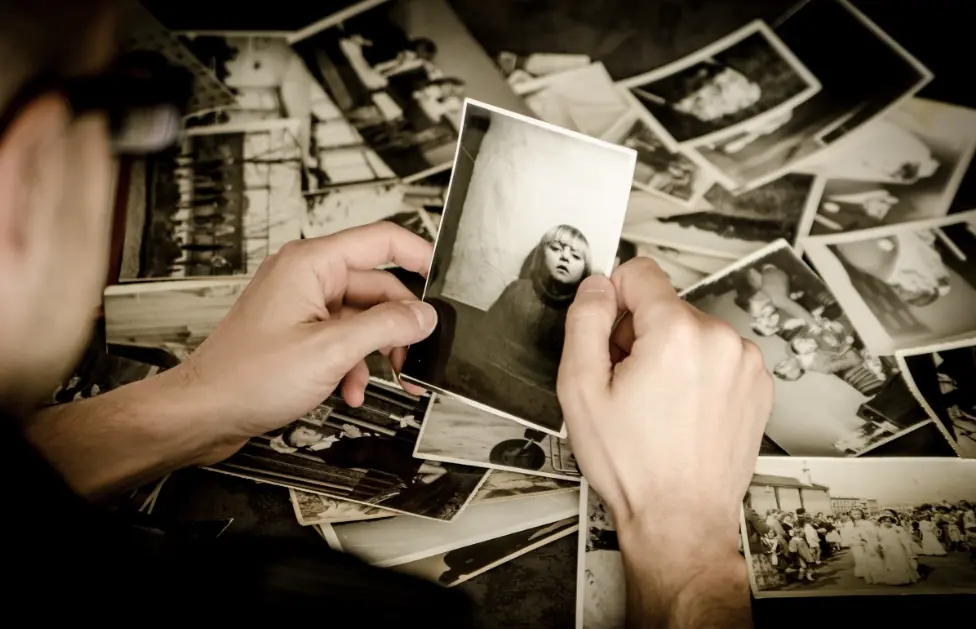
Recently, I’ve been sorting through several boxes of photographs, letters, and personal memorabilia, keeping some things and pitching others. Some items bring a chuckle, others a pang of regret or sorrow. Most pieces from this puzzle of my past, however, deliver pleasant memories of people and places I’ve known and loved.
Intrigued by the cascade of emotions born from this archaeological dig, I poked around and discovered that a soft and balanced hankering for the old days can bring positives to our present.
Moira Lawler turns to Los Angeles-based family therapist Deanna Woodhouse for her thoughts on how recollecting the past can help shape our present.
- It may promote a sense of self. Summoning up positive memories from the past, Woodhouse says, “can affirm movement toward those ideas.”
- It may act as a measuring device for personal growth. “When we can draw upon those positive experiences and reflect upon our own growth, nostalgia can be a good barometer to gauge how we have stayed aligned with our own values (which may change over time, and that’s okay) and our authentic selves.”
- It may boost our mood. Recalling good times from the past can give a pick-me-up to the present.
- It may strengthen bonds with families and friends. “Research shows,” writes Lawler, “[that] nostalgia is a highly social emotion that connects us to others.” In my case, the black-and-white photograph of a childhood friend with whom I’d long ago lost touch prompted me to track her down. Oddly enough, she’d been trying to find me, and we’re arranging a reunion by phone.
- Nostalgia can enhance optimism. Woodhouse relates that the pleasures and successes of the past that gave us joy and confidence can boost our views of the present and the future. “This can help us live each day to the fullest or even help us see the beauty that is in everyday life.”
Nostalgia does have a dark side. “When we start to reminisce on the ‘good old days’ and begin to linger in the past, we can ruminate on the ‘what ifs’ and ‘should haves,’ which can lead to depression,” Woodhouse says. Several friends my age suffer this affliction, turning nostalgia into a weapon against the present, grousing, for example, about the deficiencies of today’s young people when compared to times past, though the only young people they really know are those they read or hear about in the media.
On the other hand are a couple of acquaintances who seem never to reflect on the sweet memories from their past at all, but instead spend their days grumbling about their latest aches and pains, politics, the weather, and other irritants. They are sorely in need of a healthy dose of nostalgia as a reminder of the blessings gifted them by life, including life itself.
As for me, chief among my emotions as I rummaged through the boxes was an overwhelming sense of gratitude. Here in these fragments – elementary school report cards, letters to my parents and friends, trophies and medals now more than half-a-century old, journals, love notes from my deceased wife, forgotten photos and scribblings of my children, and so much more – was a biography of the man I had become. Some of what I uncovered revealed the mistakes I’d made and the wrongs I’d committed – some of them horrible – but even revisiting those transgressions was a reminder of the hard lessons I’d learned in repentance and humility.
And with that sense of gratitude, so neglected in my younger days but one of the true delights of old age, has come an appreciation for what Woodhouse calls “the beauty that is everyday life.”
—
This article was made possible by The Fred & Rheta Skelton Center for Cultural Renewal, a project of 1819 News.
Image credit: Pxhere

























Leave a Comment
Your email address will not be published. Required fields are marked with *