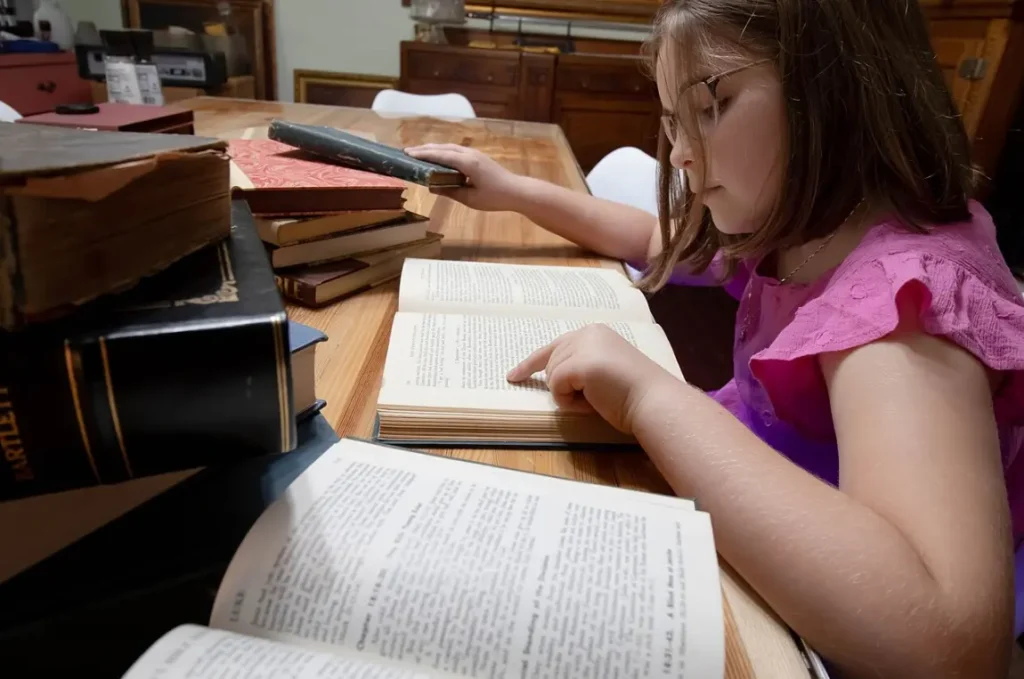
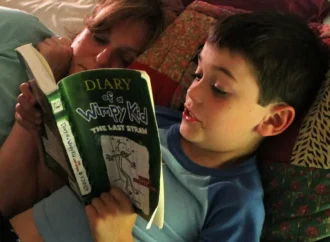
It’s often said that an individual will be same person five years down the road except for the books he reads and the people he meets. That’s likely the reason book battles in public schools and libraries have become so intense in recent years – fill a child’s mind with salacious and subversive ideas, and the chance of him falling in line with those ideologies grows infinitely greater.
But the tide may be turning.
Reports from the Lone Star State suggest that the Texas Education Agency is seeking to implement a new reading list in its schools. Rather than feature a plethora of books on gender ideology or politically correct topics, as is often the norm, this reading list provides dozens of classic reading selections which public school teachers can choose to present in their classrooms. And in doing so, Texas is laying a framework that parents and political leaders can use to take back the education of their children.
Just what constitutes a “classic” work in this new venture?
As someone who has examined time-tested reading lists from classical schools, private schools, and homeschools for over a decade, I can assure you that the list for those in grades K-5 holds many familiar titles, including “The Door in the Wall,” “The Courage of Sarah Noble,” “Treasure Island,” and “The Phantom Tollbooth,” to name just a few. Also positive is the fact that the list features many classic fairy stories and tales of American heroes such as Paul Revere, James Madison, and George Washington. There are even selections on the First Thanksgiving and The Mayflower Compact included in the list!
This trend continues into the upper grades, where students read portions of The Federalist Papers, selections from the Bible, classic poetry, and great works such as “The Divine Comedy” and “Great Expectations.”
Naturally, such a move is not without opposition. Prominent news sources such as The Dallas Morning News intimated what a horror it was that biblical texts could be required in public schools. Another commentator noted that “this curriculum squeezes out … the voices and perspectives of women and people of color.”
Such facts may alarm some individuals. But instead of immediately focusing on what culture tells us is bad, perhaps we should consider the good effects such a curriculum could bring to students, families, and Americans in general.
For starters, these lists include literature which is foundational to Western thought. Ignore these texts and a student will struggle to understand the laws, customs, and cultural insights of America. Embrace them, and students will find themselves growing culturally literate, equipped to apply the principles of the past to the problems of today.
Second, these classic reads often provide students with solid morals and strong examples of character. Rather than dither in the relativism so common to our day, where truth is whatever one feels like at the time, these books uphold objective values, demonstrating rewards for those who do right and consequences for those who do wrong.
Finally, these classic works are often more challenging in vocabulary and sentence structure – a marked contrast to much of the fluff that passes for reading material in today’s schools. Yes, students may struggle to read these works at first. But set the bar high and children will naturally rise to the occasion, finding they’re more confident and knowledgeable in the process.
For years, many parents have just accepted the status quo, raising their hands in despair at the curriculum foisted upon their children in the public schools. Any resistance was on a defensive level, with parents fighting to keep harmful books out of their children’s hands. Now, however, it seems that parents are seeking to go on the offensive, not just by fighting against the literature they perceive as bad, but also seeking to replace it with good material.
Many today wonder what they can do to promote positive values and right actions in society. Why not take a page out of Texas’ book – literally – and work toward legislation that requires similar reading lists full of classic, wholesome books in our own public schools? Our kids should have the best of everything – especially when it comes to the reading material which will make them the successful, well-rounded adults we want them to be.
—
This article was made possible by The Fred & Rheta Skelton Center for Cultural Renewal.
Image credit: Mattie Stewart, CC BY-SA 4.0















Leave a Comment
Your email address will not be published. Required fields are marked with *