The reading of Ephesians 5 in church, the part about husbands and wives, always amuses me. Some of the women in the congregation stiffen or frown when they hear: “Wives, be subject to your husbands, as to the Lord. For the husband is the head of the wife as Christ is head of the church … so let wives also be subject in everything to their husbands.”
Frequently lost amid that consternation are Paul’s instructions to husbands: “Husbands, love your wives, as Christ loved the church … husbands should love their wives as their own bodies … let each one of you love his wife as himself….”
This passage came up recently in a conversation with a friend, a devout Christian. We were discussing masculinity and what it means to be a good man in the 21st century. While my friend has witnessed good men and good husbands in action, she also sees some Christian men who, having taken up the reins of the household, become “harsh and overbearing.” She and I also touched briefly on the warped view of masculinity adopted by some podcasters and their followers, in which boorishness and chest-thumping are taken as positive signs of manhood.
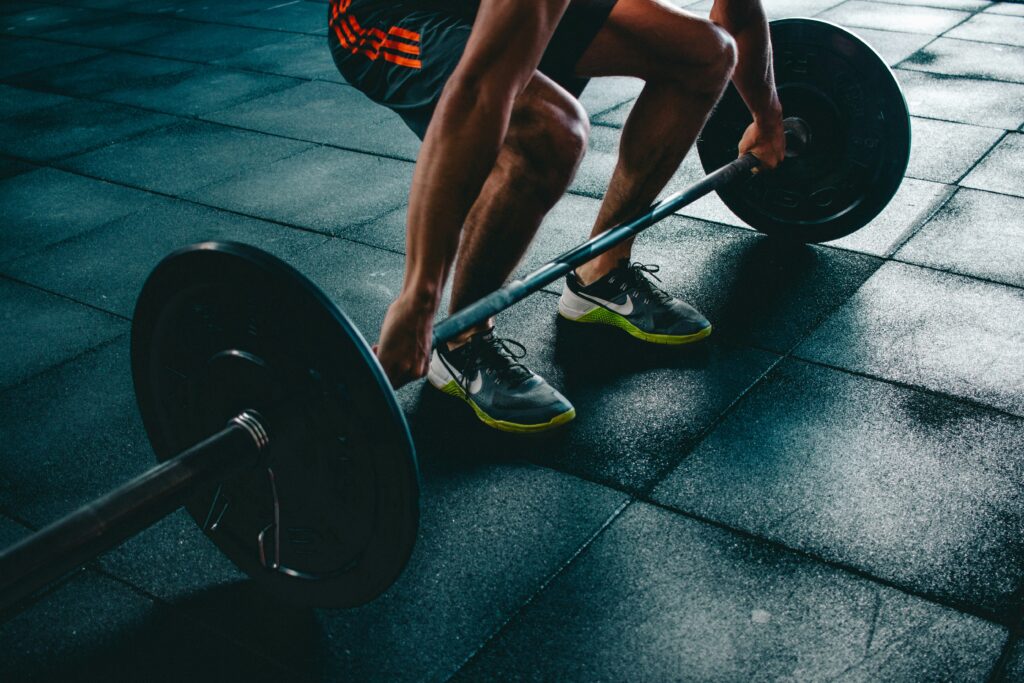
Our conversation left me thinking. What does manliness mean in a time when the male spectrum runs from “soy-boys” to “toxic masculinity?” What does it mean in the best sense of that word? What is a good man?
Before answering, we must recognize that our broken culture has made the very word “manliness” an antique, a relic pushed to the far corner of an attic and covered with a sheet. Twenty years ago, in his book “Manliness,” Harvard professor and political philosopher Harvey Mansfield relates an incident where a journalist called and asked what quality he remembered about a former teacher the university planned to honor. “What impressed all of us about him was his manliness.” The female caller paused, then said, “Could you think of another word?”
So, in this century when all is confusion over sexes and genders, some of it deliberately sown and some of it burbling out of academia, some people understandably have trouble identifying a good man, or if you prefer, a gentleman.
I’m not one of them.
Here’s my scattergun approach to the virtues real men possess. I’ll start with the 12 Points of the Boy Scout Law, a set of character traits sometimes mocked, as in “What are you, a Boy Scout?” “A Scout is trustworthy, loyal, helpful, friendly, courteous, kind, obedient, cheerful, thrifty, brave, clean, and reverent.” The Scouts are no longer a male bastion – the organization now includes girls and has changed its name – but the 12 points remain as guideposts to goodness, and from my six years in Scouting long ago I can still rattle them off without a hitch.
Some might protest, and rightly so, that those qualities can apply to both men and women, and I would agree, though adding, “They belong to gentlemen and ladies,” two more concepts some in our culture have stuffed into the attic.
Here’s another definition. The movie “Secondhand Lions” is a film where two old men, brothers Garth (Michael Caine) and Hub (Robert Duvall), take in a nephew essentially abandoned by his mother. In one scene, Hub gives his nephew part of his “what every boy needs to know about being a man” speech:
Sometimes the things that may or may not be true are the things a man needs to believe in the most. That people are basically good; that honor, courage, and virtue mean everything; that power and money, money and power mean nothing; that good always triumphs over evil; and I want you to remember this, that love… true love never dies. Remember that, boy. Remember that. Doesn’t matter if it’s true or not. You see, a man should believe in those things, because those are the things worth believing in.
Lots of movies offer markers of manliness. Two of my favorites are “It’s a Wonderful Life” and “Kate and Leopold.” Both films feature men of chivalry, another attic trunk rarely opened these days.
Born in the High Middle Ages, the chivalric code ran right up through the 20th century and still beats in the hearts of many men today. Among other things, the code demands that a man protect the weak and the innocent, that he bring a certain etiquette into social situations, chiefly for the comfort of others, and that he show respect to family, friends, and strangers, unless they have ceased to deserve it.
And there’s that word again, respect, which as an old man told me 50 years ago was the key to a successful marriage. It’s also a key to true manhood, respect for others and respect for oneself.
Here I’ll end with some words to men from a philosopher-king, Marcus Aurelius, who himself embodied manliness: “Waste no more time arguing what a good man should be. Be one.”
—
This article was made possible by The Fred & Rheta Skelton Center for Cultural Renewal.
Image credit: Unsplash






















Leave a Comment
Your email address will not be published. Required fields are marked with *