
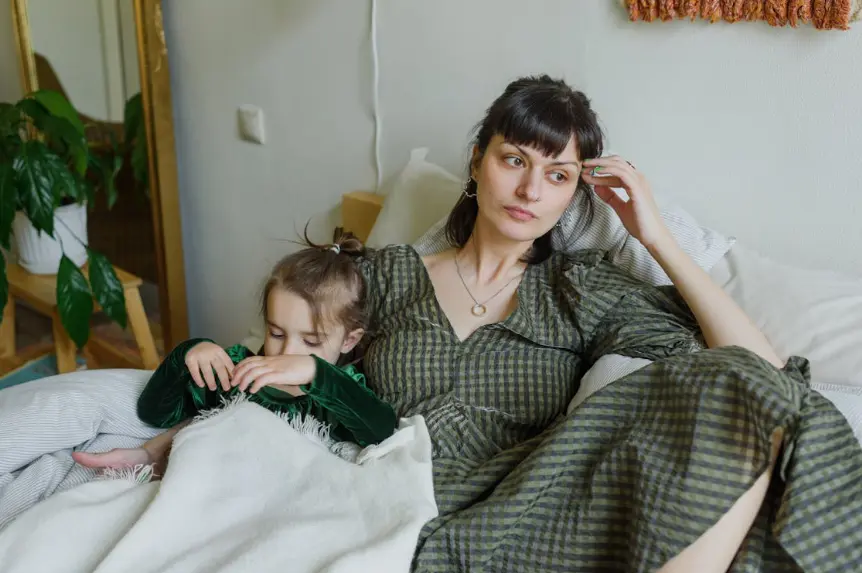
Evidently eager to introduce new ways to disincentivize adults from choosing parenthood, New York Magazine’s “The Cut” recently published a piece profiling mothers who regretted having children.
These women are undoubtedly selfish and at least a little psychopathic to verbalize their wishes that their own offspring didn’t exist. Yet there is another common thread in these stories exemplifying both a symptom and a cause of the childlessness epidemic we’re facing.
The three women interviewed for the article all identified some cost to motherhood which they believed was too great to pay. Career cost was an especially big issue. One woman’s dreams of becoming a professor were supplanted by a practical decision to move towards a better school district for her daughter. Another woman bemoaned that her mental faculties were reduced to solving snack time drama rather than raising money for her nonprofit.
Admittedly, the day-to-day activities of raising a child are not as mentally stimulating as teaching university classes or running a dog-training business. They are more boring if you think of motherhood as exclusively the business of solving hungry bellies and tired bodies.
But motherhood is also stewarding eternal souls, raising upstanding citizens, guiding young emotions, teaching strong work ethic, and running the economy and rhythm of a home life. Unfortunately, the women in this article – and others like them – aren’t raising their children in an environment where anyone tells them this fact.
“The Cut” interviews highlight a version of motherhood that is easily avoided. Yes, the physical toll is sadly not entirely avoidable, but the emotional burden of motherhood was never meant to be carried alone. The mothers in this interview show that they’re not in the communities that could support them in raising their children.
For example, one mother recounts a tragic case of shoulder dystocia in labor:
“My son’s birth was also traumatic. His shoulder got stuck in my pelvis and the epidural kept wearing off; the nurses told me it was fine, that I was overthinking. They held me down and jumped on my pelvis to dislodge his shoulder while the doctor reached up and got him out; I still have pain from it.”
Other women spoke of babies suffering from colic, rendering them inconsolable for the first months of life. For a mother, the emotional stress of the sound of her baby’s cries is difficult to overstate. The stress of a corporate job is far preferable to that sort of mental turmoil, but the joys of motherhood are not. In such circumstances, mothers will sink without the constant reassurance and support both of other mothers who have gone through similar situations and husbands who shoulder the responsibility of caring for the baby’s needs.
The true reason for these mothers’ regret is a bit harder to spot. But it circles back to the same problem – they don’t feel understood by their social circle, including their own husbands.
“We don’t have lots of child-care options — we do part-time day care and don’t have a lot of family able to help us;” one woman said, “otherwise we use PTO and juggle our work schedules to have all the coverage we need — and it feels like the rest of my life is put on hold for motherhood.” She continued, “I’ve tried to talk with [my husband] about how difficult things are, and he understands but is also aggressively positive about it: ‘Our kids are so wonderful and great.’”
“During the birth, I’d had an incision that left me unable to move from the pain,” another recounted:
I breastfed my daughter, but I couldn’t pick her up. My husband had a month and a half of paternity leave, but the only helpful thing he did during that time was change her diapers, though he did it with a reluctant expression on his face; I had the feeling he never believed how much pain I was in. My mom helped, but she didn’t like being disturbed at night and even during the day was afraid of holding the baby or changing her. I hallucinated from lack of sleep.
One experienced isolation even amongst her other mom friends:
I stopped talking to my friends with kids. They wanted to exchange baby photos and milestones and, while I was happy for them, my son is delayed and is in early intervention services, so he wasn’t meeting his. I didn’t have photos to share. I felt like this dark, gloomy cloud in the room.
The positive side of this is that conservatives have an opportunity to offer mothers a welcoming vision of motherhood. The work of motherhood is nearly always selfless, but it is only thankless if communities, churches, and husbands don’t give the encouragement mothers need. Three-year-olds don’t see that their mothers gave them another magical day of childhood despite being financially strained and sleep deprived, but other adults can. Even the presence of other mothers making the same sacrifices is likely to provide mothers just the kind of validation the women in “The Cut” article are futilely searching for from their children.
—
This article was made possible by The Fred & Rheta Skelton Center for Cultural Renewal.
Image credit: Pexels

























Leave a Comment
Your email address will not be published. Required fields are marked with *