
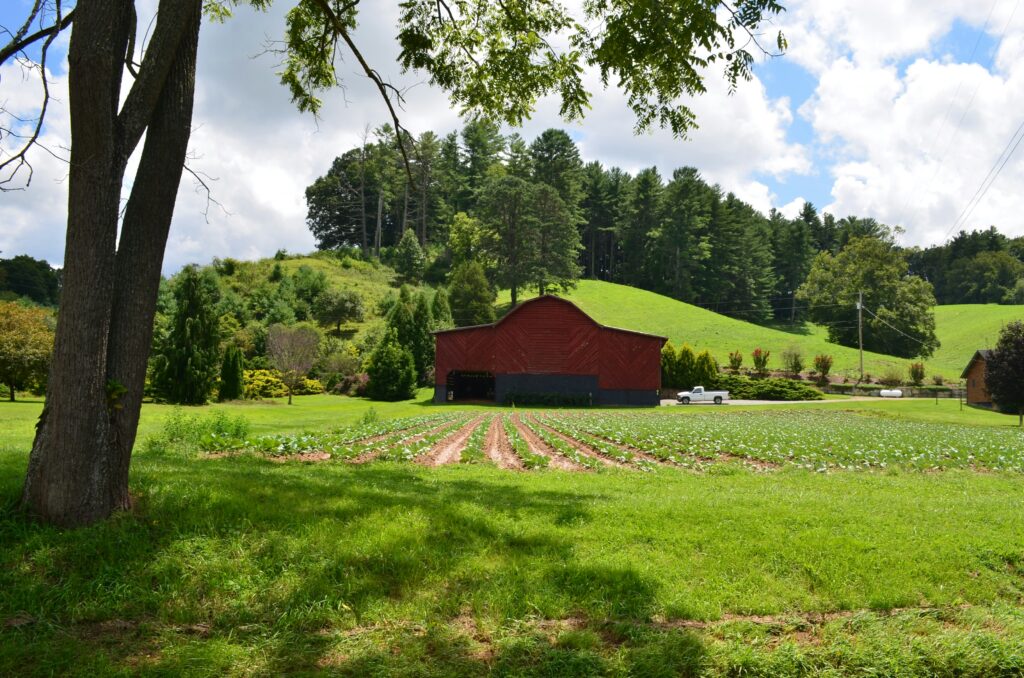
The influential professor and educator John Senior proposed a bottom-up approach to cultural transformation. “Restorations never start in the collapsing tops but always in the dull low places of simple hearts,” he argued in “The Restoration of Christian Culture.” In his biography of Senior, Fr. Francis Bethel added, “Rebuilding culture calls for quiet and hidden work in more human and personal areas; foundations must be rebuilt.”
While I’m not one to discount political action or top-down reform, I do think that the bottom-up approach is too often neglected. We want immediate change, which draws us toward acting through the heights of power. Much good can be accomplished this way. But one drawback – at least in our political system – is the often impermanent nature of these attempts at reform. A sweeping executive order can be easily reversed when the next president takes up office.
Cultural transformation, however, weaves a social fabric that could last centuries. The most lasting change is that which occurs at the foundations. Rolling boulders into place. Planting seeds. Nurturing hearts and minds. It isn’t glamorous. It’s slow. But it’s essential.
The most effective method of cultural healing involves some combination of approaches that work together synergistically: the restoration of cultural soil on the local level alongside the responsible use of power at the highest levels. These two angles are complementary.
One benefit of the bottom-up approach is that it’s within everyone’s reach. We need not be politically gifted, rhetorically impressive, or richer than the Rothschilds in order to shape culture and politics. We need only be willing to begin the patient work of reconnecting things that should never have been separated: husband and wife, parents and children, faith and the public square, families and their neighbors, economics and the good of the community, people and the land, etc.
I’m seeing something like this occurring in my own community. Countless young couples and families of my acquaintance are passionate about building community, deepening their faith, and returning to the land. A barter network is emerging in my region, alongside homeschool co-ops, private schools, and homesteads. A local acting troupe puts on Shakespeare plays each summer. Dances are being hosted again in old barn lofts. One of my local churches hosts weekly Bible studies where the men of the parish talk about what matters most and form the kind of bonds that undergird strong societies. There’s a growing, gnawing hunger for authentic communal and cultural activities. Cornerstones are being laid. Roots are being put down. I’m seeing it all around me.
If it can happen in my community, it can happen in others around the country and world. Drawing on what I’ve seen, here are a few practical suggestions for what this “quiet and hidden work” looks like. We must:
- Spend quality time with our immediate family.
- Rebuild community by getting to know our neighbors and finding like-minded people in our local areas.
- Learn about local history and ancestral roots.
- Establish traditional cultural and communal events, such as plays, dances, concerts, or festivals, reconnecting people to one another and their Western heritage.
- Start a school or homeschool co-op.
- Grow some of our own food and learn some hands-on skills.
- Shop and buy locally as much as possible.
- Learn to play an instrument and host a monthly jam night.
- Establish alternative localized economic systems, such as barter networks.
- Form reading groups with friends to explore the great texts of Western civilization.
- Form a men’s group – men in particular need camaraderie and healthy forms of bonding with peers.
- Read the local newspaper instead of endlessly scrolling social media feeds.
- Get involved in local politics.
- Spend time in nature and learn about the local geography, flora, and fauna.
- Practice the works of corporal mercy in our communities.
- Limit technology use, which easily erodes local connections and authentic cultural activities.
In “The Lord of the Rings,” J.R.R. Tolkien wrote that we should “uproot … evil in the fields that we know, so that those who come after may have clean earth to till.” It really is that simple.
What we need now is millions of families to look at the fields they know – their own households, neighborhoods, cities, counties – and put right what has gone wrong, digging out weeds where they’ve taken over healthy soil, planting trees where forests have been felled, sowing seeds where crops have been uprooted, laying foundations where beautiful buildings have been demolished, and reaching out a friendly hand where alienation and loneliness have triumphed.
These are simple things. Elemental. All we need to do is begin with these ordinary things right in front of us. Like the mustard seed of the Gospel, what we plant now will grow into something far beyond our reckoning.
This article was made possible by The Fred & Rheta Skelton Center for Cultural Renewal, a project of 1819 News.
Image credit: Unsplash























Leave a Comment
Your email address will not be published. Required fields are marked with *