
Some time ago, I was surprised to see an acquaintance sharing the “A Court of Thorns and Roses” series by Sarah J. Maason social media. This acquaintance is a professing Christian. Maas’ book, on the other hand, is borderline erotica.
“You are what you eat,” the popular phrase runs. This originates from French lawyer Jean Anthelme Brillat-Savarin who wrote, “Tell me what you eat: I will tell you what you are.” Brillat-Savarin thought deeply about the art of cooking and eating, writing the 1826 book, “The Physiology of Taste.” His words express a deep truth: what one consumes reflects and shapes who he is. An occasional shot of tequila or bag of Doritos won’t make or break one’s identity. All the same, consumption and identity are linked.
This truth is perhaps even more evident in the realm of modern media.
What, then, does popular media reveal about who we are? What does the popularity of erotic books or movies reveal about who we are becoming as a society?
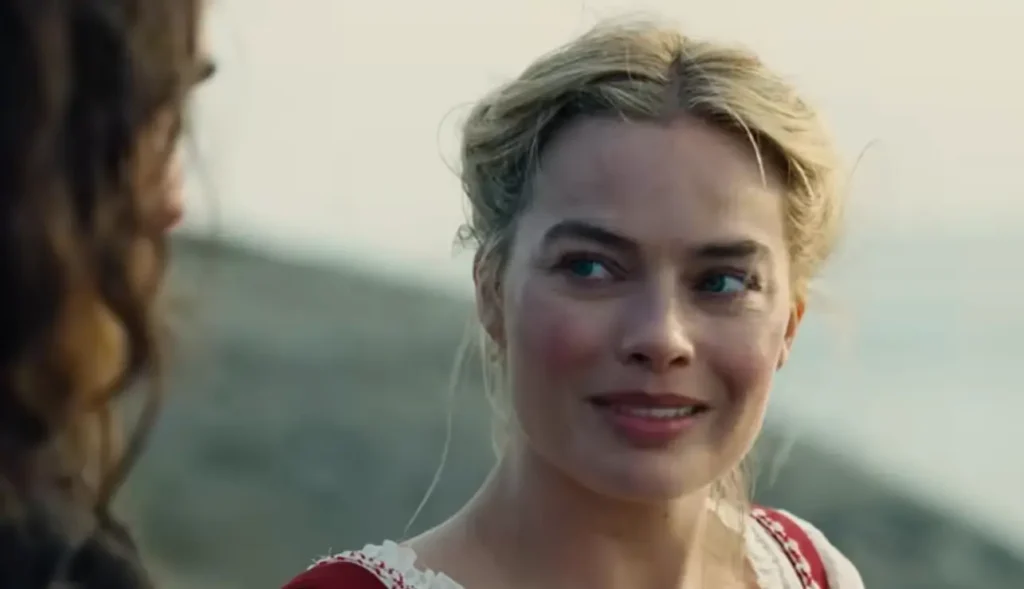
Emerald Fennell’s “Wuthering Heights” remake has received much press in the days since its release. For example, Emma Camp wrote in the Wall Street Journal that the film is essentially a “fanfiction” retelling of the novel. The film “reimagines the story along a series of increasingly bizarre lines” and “is the film equivalent of a contemporary ‘smut’ novel,” Camp writes, for instead of dwelling, as Emily Brontë’s original book does, entirely in the realm of unconsummated desire, the story spins around the R-rated indulgence of Catherine and Heathcliff.
Camp calls it like it is: The remake of “Wuthering Heights” is smut, not art.
Sadly, this sort of smut movie is not without precedent. Many successful mainstream movies are essentially erotica. However, as Camp contends in her article, the popularity and mainstream acceptance of a movie like “Wuthering Heights” springs from the popularity and mainstream acceptance of pornographic media aimed at women.
By pornographic media, I do not mean that which is broadcast on PornHub and OnlyFans. Instead, I refer more broadly to the media that revolves around and revels in sex and passion – and that does so without any standards of morality or modesty. Examples of this sort of media abound in the contemporary romance genre, though many popular shows such as “Bridgerton” fall into this category as well.
The romance genre of literature is on the rise, especially among women. Its success “is reshaping not only the publishing industry, but the retail landscape as well,” according to a 2024 New York Times article about romance-specific bookstores. These stores are nourished by a subset of TikTok called “BookTok,” where influencers rate and rave about books, most of which fall into the category of romance or “romantasy” novels. Romantasy, “blends spicy sex scenes and romance tropes with supernatural elements,” another New York Times article says, and includes books like Rebecca Yarros’ “Fourth Wing”and its sequels and the aforementioned “A Court of Thorns and Roses.”
I won’t describe these books at length. It should be sufficient to say that the contemporary romance scene fully embraces “steaminess” and “spiciness.” While young men are largely dominated by pornography, women, whether teenagers or adults, are now dominated by smutty, lustful media which is essentially pornography, though operating in different forms and with more toleration. “Wuthering Heights” is advertised everywhere, while hardcore pornography still bears some social taboo. “Wuthering Heights” and “Bridgerton” and the like are therefore seemingly defensible, for they have a large dose of drama, a thrilling plot, and manifold endorsements from respectable folk to accompany their raunchier scenes.
If we are what we consume, then our society is smut, shaped by the sexual fantasies of hardcore porn and of its seemingly-friendly, socially-acceptable equivalent in women’s media. And it’s a well-known fact that pornography follows its consumers into their personal and romantic lives, changing the way they view themselves, others, and life itself.
We must be shaped by better stories. And there truly are much better stories, both in books and film, than stories like “Bridgerton.” Stories that have stood the test of time, not just the test of the box office. Stories that shape our moral imaginations, not just our desires for spiciness. Stories that can excite and compel us without appealing to our basest instincts. These stories are not without romantic or sexual elements, but their aim is much higher than giving their consumer sensual satisfaction.
Our society is growing ever more uninterested in these sorts of stories. But we who do allow ourselves to be formed by good stories will benefit from them, and those who scorn that opportunity in order to experience the fast, lusty, and thrilling will not benefit.
Interested in being shaped by good stories? I recommend starting with the classics, although many modern writers and filmmakers are doing good work, too. In fact, I might even recommend reading “Wuthering Heights.”
—
This article was made possible by The Fred & Rheta Skelton Center for Cultural Renewal.
Image credit: YouTube, Warner Bros.

























Leave a Comment
Your email address will not be published. Required fields are marked with *