Most Read from past 24 hours
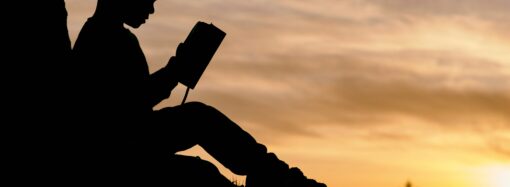
A Princeton Classicist Offers 5 Ways to Turn Children Into Book Lovers
- Culture, Education, Family, Featured, Literature
- October 12, 2026
Most Read from past 24 hours
Most Read from past 7 days
Most Read from past 30 days
Most Read of All Time
Most Read of All Time










There is a worldview emerging that suggests human destiny is preordained. Free will is dead, declared The Atlantic last summer, since “…all human behavior can be explained through the clockwork laws of cause and effect.” Humans are mere amoebae. In this Neo-Predestination philosophy, we’re bound not by Providence or Fate, but our brain chemistry and macro
READ MORE
Can you imagine a Roman republican, reborn, walking the streets of Philadelphia in 1776? Or how about Lexington in 1775? Or perhaps Boston in 1765? What would he think of the American fondness for Rome and her republicanism? What would the Americans think of him? I am guessing that an American republican would be much
READ MORE
Over the course of approximately six hours, the Left in the United States made a spectacular, 180 degree turn on federalism and states’ rights without even recognizing it. Although this lack of self-awareness shouldn’t be particularly surprising coming from the modern Left, which seems to have missed the irony when it goes about shutting down debates
READ MORE
Bernie Sanders thinks that free trade has been disastrous for the American worker. During an interview on Meet the Press, Senator Sanders bemoaned that American workers had to compete against the Vietnamese and said that he disagreed with all of the previously negotiated trade deals. In his opposition to free trade, Senator Sanders may think he is helping
READ MORE
I drove by the new Whole Foods grocery store in my community the other day. It’s big, it’s hip-looking, and it offers much better parking than its former location. But according to a recent Washington Post article, the perks of this new store may be costing Whole Foods more than they would have liked. In
READ MORE
In the last few years, there has been a resurgent interest in making Latin a part of the school curriculum. After all, the benefits seem too good to pass up, particularly those which show that Latin boosts reading, math, and science scores. It is likely these benefits that attracted a Philadelphia inner city charter school,
READ MORE