Most Read from past 24 hours
Don't Take Marriage Advice From Celebrities and Influencers
- Culture, Entertainment, Family, Featured
- October 23, 2026

Most Read from past 24 hours
Most Read from past 7 days
Most Read from past 30 days
Most Read of All Time
Most Read of All Time









“The world ain’t all sunshine and rainbows. It’s a very mean and nasty place and I don’t care how tough you are, it will beat you to your knees and keep you there permanently if you let it. You, me, or nobody is gonna hit as hard as life. But it ain’t about how hard
READ MORE
I learned another life lesson from my friend the UPS man the other day. He stopped by with a couple of packages, and in response to my query informed me that yes, the delivery industry was still in Christmas mode, COVID-19 having turned the year into one long, exhausting holiday season. Given the intense nature
READ MORE
In June 2014, Ta-Nehisi Coates wrote a feature in the Atlantic arguing that the terrible history of blacks in the United States justified reparations. Many consider this a radical proposition. Yet critical reaction was mild. Kevin Williamson, writing in National Review, disagreed with Coates’ proposal but was impressed with the “beautifully written monograph,” describing the
READ MORE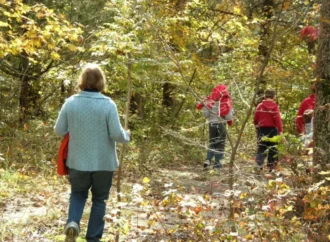
English philosopher John Locke once advised that children should have “shoes so thin, that they might leak and let in water, whenever he comes near it.” Yikes! I thought when I first read that passage in “Some Thoughts Concerning Education” years ago. The mother’s heart of caution within me still balks at that idea … but
READ MORE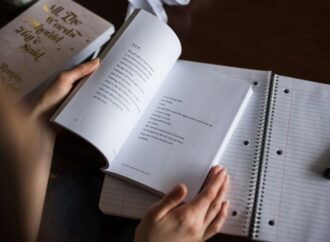
In the spring of 2014, I served as prompter for a local homeschool poetry fest in Asheville, North Carolina. From pre-K students to high school seniors, students marched onto stage and recited verse to an audience composed of family and friends. The little ones trebled out nursery rhymes, middle-schoolers delivered impressive reams of rhymes—Shel Silverstein’s
READ MORE
Recently I was flipping through A Child’s History of the World, by Virgil Hillyer. I never used this classic textbook with my own children or my students, and now regret that oversight. Hillyer writes well and simply about the past and sometimes with a wry sense of humor, as evidenced by these lines:
READ MORE