Most Read from past 24 hours
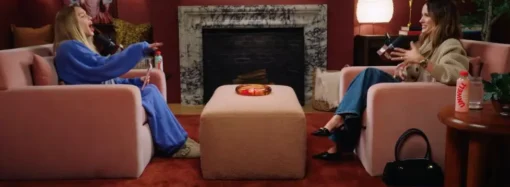
Don't Take Marriage Advice From Celebrities and Influencers
- Culture, Entertainment, Family, Featured
- October 23, 2026

Most Read from past 24 hours
Most Read from past 7 days
Most Read from past 30 days
Most Read of All Time
Most Read of All Time









According to the (Australian) ABC, there is a lot of prejudice, negativity and downright rudeness directed towards parents of a single child. Apparently such parents get asked things like: are you going to give your child a brother or a sister? Aren’t they lonely? What happens if they die and you are left with no
READ MORE
Surveying the growing body of social science research helps bring greater clarity to the complex, and largely beneficial, interactions between religion and family life. The research also suggests evidence-based best practices for effectively integrating faith and family life, including religious-spiritual authenticity, nurturing parent-child relationships, balancing religious firmness and flexibility, and encouraging youth to have spiritual
READ MORE
Today a Russian fighter jet was shot down by Turkey. The pilots were captured by Syrian rebels. At least one appeared to be dead in a video in which the rebels chanted “Allahu Akbar” – “God is great” – over his body. Turkey, a member of NATO, claims that the Russian plane invaded
READ MORE
Thursday, June 6th, 2019, brings the 75th anniversary of D-Day, the massive assault on occupied France by Allied Forces in World War II. It was the greatest seaborne invasion in military history. President Trump has gone to Britain to share in the remembrance of D-Day. Speakers in Great Britain, the United States, and France will remind
READ MORE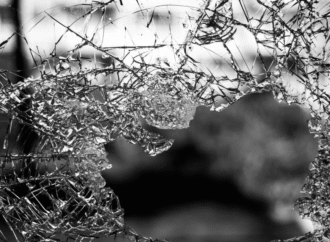
It was one of those weekends. Last Saturday, I was driving my oldest son, Noah, to the driving range on a golf cart when my iPhone had enough of life and flung itself from my pocket. A kind motorist, waving us through the crossing, watched in horror as the screen exploded into a crystalline crime
READ MORE
Leonard Read’s immortal essay “I, Pencil” has persuaded more people of the wonders of the free market than possibly any other comparable work – so many that the BBC recently posted an article attacking it. However, anyone reading both articles will conclude that Read’s pencil comes out looking sharper. The mere fact that Read’s article
READ MORE