
Feeding Mind, Pursuing Truth
Blog 3 Columns
- Home
- Blog 3 Columns

Facebook Hearings Reveal How Government Regulations Work0
- Culture
- April 13, 2018
A commentator on Mark Zuckerberg’s appearance before the Senate observed that the event seemed like a 5-hour tech-support call. Truth. If you have ever had to do tech support, you know the way it happens. The user is hopeless, frustrated, and essentially ignorant of the product. That’s the Senate. The support employee tries to organize
READ MORE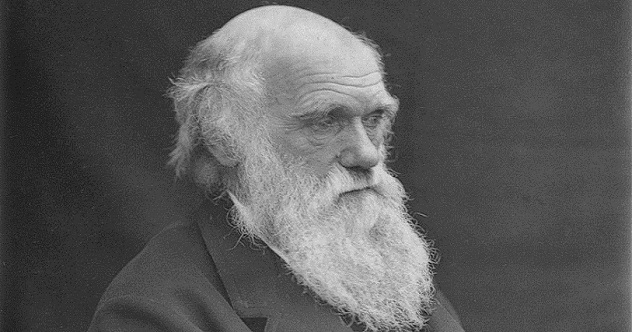
Was Darwin Wrong?0
- Science
- April 12, 2018
Christopher Booker is a contrarian English journalist who writes extensively on science-related issues. He has produced possibly the best available critical review of the anthropogenic global warming hypothesis. He has cast justifiable doubt on the alleged ill effects of low-level pollutants like airborne asbestos and second-hand tobacco smoke. Booker has also lobbed a few hand-grenades at Darwin’s
READ MORE
The New Barbarism? Learning in Twenty-First Century Schools0
- Culture
- April 12, 2018
In the Middle Ages and early modern Europe, most commoners were illiterate and learned visually through art such as Giotto depicting the life of St. Francis of Assisi and later with posted broadsides with woodcuts. After looking at these visuals, the illiterate peasants might discuss them in a group at church or in a tavern.
READ MORE

The Lost Scrolls Lying at Our Feet0
- Education
- April 12, 2018
In 79 A.D., the catastrophic eruption of Mt. Vesuvius in eastern Italy covered nearby towns in ash and completely buried many of them. One of the towns that was buried in the eruption was Herculaneum, which at the time was a popular vacation spot for wealthy Romans. According to some historical accounts, Julius Caesar’s father-in-law,
READ MORE
The ‘Respectable’ Anti-Semitism of the Left0
- Politics
- April 12, 2018
In the past two years, no less than three books on left-wing anti-Semitism have been published to generally favorable reviews: Dave Rich’s The Left’s Jewish Problem – Jeremy Corbyn, Israel and Anti-Semitism (September 2016); Antisemitism and the Left – On the Return of the Jewish Question by Bob Fine and Phil Spencer (February 2017); and
READ MORE
Social Justice: When good becomes evil?0
- Culture
- April 12, 2018
Traditionally in the West, Justice was defined as, “To give to each his due.” Western men were expected to judge the individual and his actions against what were then considered objective truths. For anyone watching the culture these days, especially on college campuses, it should be clear that that’s no longer the accepted understanding of
READ MORE

Would You Have Saved Jews from the Nazis? Your Family Background Tells the Answer.0
- Culture
- April 11, 2018
Every year the victims of the Nazi Holocaust are remembered on the anniversary of the Warsaw Ghetto Uprising. In 2018, this anniversary falls on April 12th. Countless tragic stories have emerged from the Holocaust. But so have many other inspiring ones, such as those of Irena Sendler, Corrie ten Boom, and Marcel Marceau, individuals who
READ MORE
Why We’re So Bored by the Internet2
- Culture
- April 11, 2018
According to Vladimir Solovyov’s famous story “A Short Tale of the Antichrist,” the final component of the Antichrist’s plan for world domination was to establish universal entertainment: “So the nations of the world, after they had received from their lord universal peace and universal abolition of hunger, were now given the possibility of never-ending enjoyment
READ MORE
Sinclair Was Not Wrong About the Proliferation of False News Stories0
- Politics
- April 11, 2018
In late March, local news anchors faced the rolling cameras in their usual composed and authoritative mien, as on any other work day. This time, however, they had a message from the corporate headquarters to deliver to their audiences. Across the country, journalists at Sinclair Broadcast Group-owned stations uttered several short sentences about the proliferation
READ MORE